 VapeWholesaleHub
Mods Benchmarking Two Factories Side by Side — Multi-Warehouse Networks
There is no clever trick to buying mods well. There is a short list of things worth checking and a long list of things that distract from them. This page is an attempt at the short list.
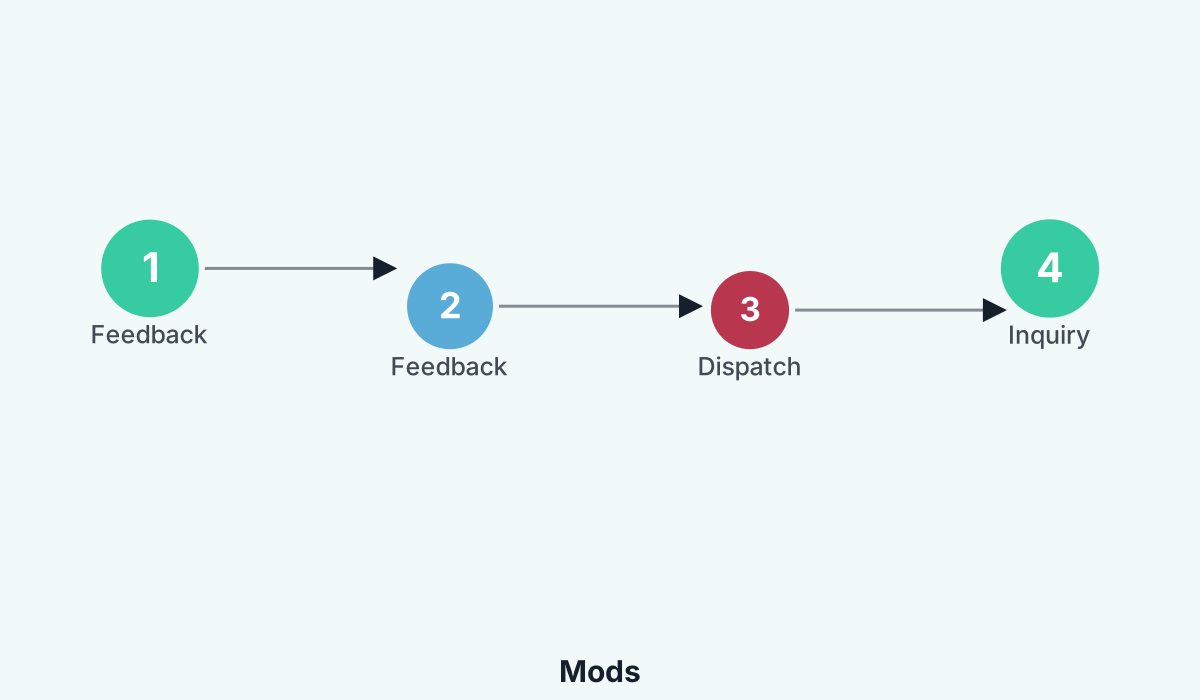
Inspection Before Dispatch
Random checks are fine, but weight the sample towards the start and end of a mods production run. Those are where a line is most likely to drift.
Most defects in mods are not dramatic. They are loose tolerances, a slightly thin seal, a mouthpiece that clicks. Left alone they turn into leak complaints, which are the single most common reason a retailer drops a line.
- Write the complaint threshold into the order terms.
- Model landed cost, not ex-works price, when comparing quotes.
- Agree the tolerance band in writing before approving artwork.
- Rotate stock by batch code rather than by delivery date.
- Confirm the current customs classification with your own broker.
Modelling a Healthy Margin
Discounting mods to win shelf space tends to reset customer expectations permanently. Volume support in kind, such as display material, usually costs less in the long run.
Build mods price tiers around order sizes your customers actually place. Tiers that only make sense on a spreadsheet get ignored, and you end up discounting ad hoc instead.
Indicative reference points for planning purposes: entry tier from USD 2.12 per unit at 1000 units, mid tier at USD 1.08, and volume tier at USD 0.81 for full container quantities. These figures move with specification, packaging and freight, so treat them as a shape rather than a quote.
Logistics That Protect Margin
Air freight makes sense for a first mods order when you need to test demand quickly, but almost every steady programme moves to sea freight once volumes stabilise. Planning that switch early avoids a painful margin squeeze later.
Model mods freight both ways before choosing a method: cost per unit and cost per week of delay. The second figure is the one that decides whether a cheap option was actually cheap.
Reading a Mods Spec Sheet
A written mods specification should be short enough to read in a minute and precise enough to argue about. If a factory cannot confirm a number in writing, assume the number is whatever is cheapest that week.
| Product category | Closed pod |
|---|---|
| Resistance band | 0.6 - 0.8 ohm |
| Capacity tolerance | +/- 2% |
| Puff count method | Machine cycle 2s on / 18s off |
| Master carton | 100 units |
| Carton weight | 12.2 kg |
| Shelf life | 12 months |
| Storage | 15-25 C, dry, away from direct light |
Trends Worth Watching
Traceability is moving from a nice-to-have to a requirement in several mods markets. Building the habit now is cheaper than retrofitting record keeping under pressure later.
Traceability is moving from a nice-to-have to a requirement in several mods markets. Building the habit now is cheaper than retrofitting record keeping under pressure later.
Where Mods Sits in the Range
Think about where mods sits in your customer's week. If it is a weekly restock, breadth matters less than availability. If it is an occasional treat, flavour range and display story carry more weight.
Decide early whether mods is a traffic driver or a margin line in your store. The answer changes how you price it, where you place it and how hard you push it at the counter.
Practical Checklist
- Model landed cost, not ex-works price, when comparing quotes.
- Keep sealed retained samples from every production batch.
- Plan the switch from air to sea freight before you need it.
- Agree the tolerance band in writing before approving artwork.
- Rotate stock by batch code rather than by delivery date.
- Confirm the current customs classification with your own broker.
Frequently Asked Questions
How do you handle a short shipment?
Cartons are counted and weighed before dispatch and the figures are shared with you. If something is short on arrival, the packing record and the carrier documentation are both available, which keeps the claim straightforward.
Is there support for in-store material?
Yes. Shelf talkers, counter cards and simple planogram suggestions are available for mods ranges that reach a sensible volume. Most retailers find the plain strength and flavour cards do the most work.
Do you hold stock for regular customers?
For established programmes we can reserve production slots and, in some cases, hold finished mods stock against a forecast. It removes most of the lead time risk from a reorder and is worth discussing once volumes are stable.
What if a batch does not match the sample?
Keep the retained samples from the approval stage. If a delivered batch measurably differs, we compare against the retained set and resolve it against the production record. This is why we insist on sealed retained units from every run.
What does a sample pack usually include?
A typical mods sample pack covers the strengths or variants you are most likely to list, packed so you can evaluate them side by side. Tell us which lines you are considering and we will match the pack to that rather than sending a generic selection.
Next Step
Nobody wins when a first order is too large to learn from. Start with a mixed carton, check how it moves in your own market, then scale the lines that earned the shelf space.
Related Reading
- Mods Cross Selling With Adjacent Categories — Southeast Asia
- Mods Shelf Rotation for Multi Site Retailers — Mixed Cabinets
- Mods Packaging Formats That Reduce Damage Claims — Premium Shelf Programmes
- Mods Child Resistant Closure Considerations — Small Batch Buyers
- Mods Electronic Data Interchange for Large Accounts — a Printable Checklist
- Mods Benchmarking Two Factories Side by Side — Three Price Tiers