 VapeWholesaleHub
Mods Colour Matching Across Production Runs — Entry-Level Price Points
Buying mods wholesale is a logistics problem disguised as a product problem. The unit is small, the margin depends on freight density, and the failure mode shows up weeks after delivery. The notes below come from real orders we have shipped.
Logistics That Protect Margin
Model mods freight both ways before choosing a method: cost per unit and cost per week of delay. The second figure is the one that decides whether a cheap option was actually cheap.
Plan the mods customs paperwork at the same time as the order, not when the goods are on the water. A missing document costs more in demurrage than the entire freight saving from a cheap forwarder.
Pricing and Margin
Hold a small mods buffer in your pricing model for currency movement. A few percent on a container is a real number, and it is easier to plan for than to absorb.
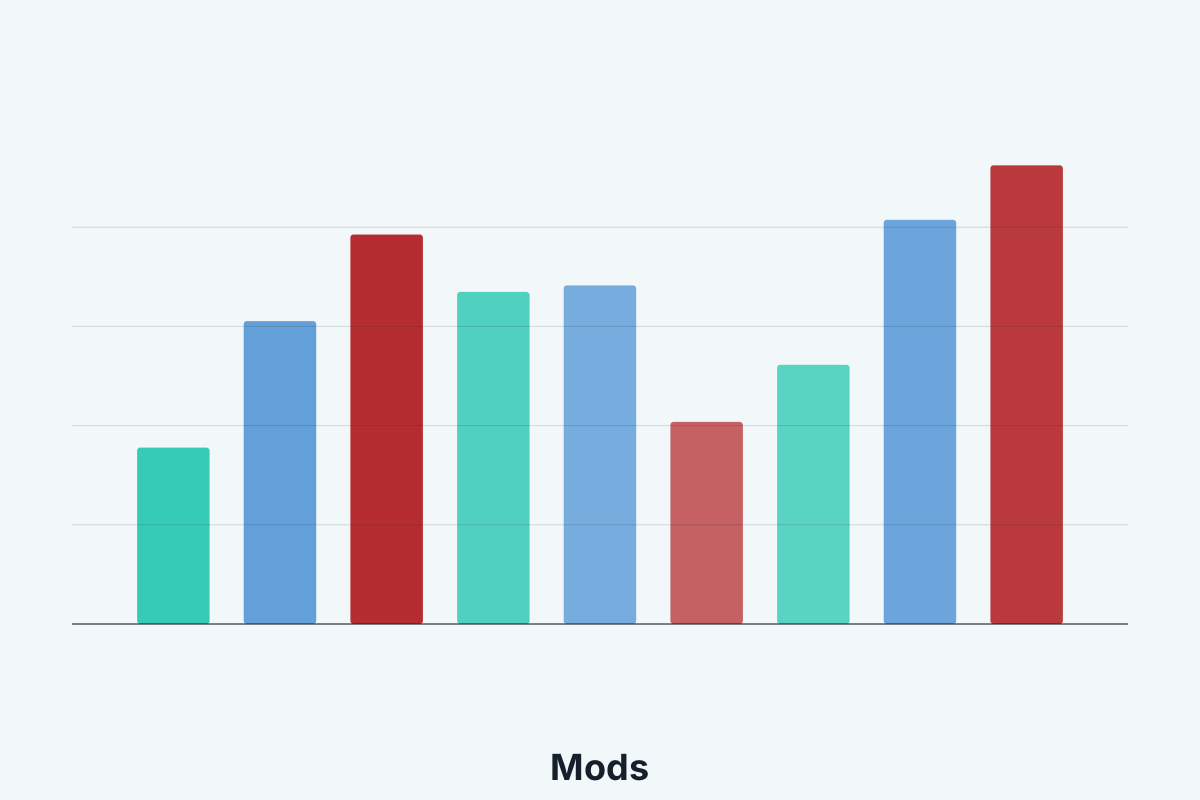
Indicative reference points for planning purposes: entry tier from USD 1.64 per unit at 1000 units, mid tier at USD 1.38, and volume tier at USD 0.70 for full container quantities. These figures move with specification, packaging and freight, so treat them as a shape rather than a quote.
Selling Mods at Store Level
Use your mods staff training time on the two questions customers actually ask. Anything more detailed gets forgotten by the second shift.
Keep the mods range tidy. A half empty shelf reads as a dying line, and customers interpret it that way faster than any signage can correct.
Where Mods Sits in the Range
Category data for mods is noisier than it looks. Promotions, weather and local competition all move weekly numbers, so read three months at a time rather than reacting to a single week.
Decide early whether mods is a traffic driver or a margin line in your store. The answer changes how you price it, where you place it and how hard you push it at the counter.
Inspection Before Dispatch
Random checks are fine, but weight the sample towards the start and end of a mods production run. Those are where a line is most likely to drift.
Set the mods complaint threshold in the contract before you need it. Deciding what counts as an acceptable defect rate during a dispute is the worst possible time to negotiate it.
- Ask how the factory measures puff count, then compare like with like.
- Check carton dimensions against your freight quote before confirming.
- Keep sealed retained samples from every production batch.
- Confirm the current customs classification with your own broker.
- Start with a mixed carton and let your own sell-through decide.
The Specification That Matters
Pay attention to how a mods supplier responds when you ask for a tolerance they do not want to commit to. The hesitation is usually more informative than the eventual answer.
Good mods specs describe the failure boundaries, not just the target. Stating what is unacceptable gives the factory a clear production window instead of a single point they will miss half the time.
| Product category | Disposable |
|---|---|
| Resistance band | 1.2 - 1.4 ohm |
| Capacity tolerance | +/- 2% |
| Puff count method | Machine cycle 2s on / 18s off |
| Master carton | 400 units |
| Carton weight | 11.7 kg |
| Shelf life | 12 months |
| Storage | 15-25 C, dry, away from direct light |
Practical Checklist
- Confirm the current customs classification with your own broker.
- Keep sealed retained samples from every production batch.
- Rotate stock by batch code rather than by delivery date.
- Model landed cost, not ex-works price, when comparing quotes.
- Agree the tolerance band in writing before approving artwork.
- Check carton dimensions against your freight quote before confirming.
Frequently Asked Questions
Can you match an existing product I already sell?
Often yes, provided we can measure it properly. Send a physical sample and we will report back on what can be matched, what will differ slightly, and why. An honest gap is more useful than a vague promise.
What if a batch does not match the sample?
Keep the retained samples from the approval stage. If a delivered batch measurably differs, we compare against the retained set and resolve it against the production record. This is why we insist on sealed retained units from every run.
Can I mix strengths in one order?
In most cases yes, as long as each strength meets the minimum run length. Mixed strength cartons are popular with retailers building their first display because they show the full ladder without over committing.
What is the usual minimum order for mods?
For a standard production run the minimum is normally one master carton per flavour, though mixed cartons can be arranged for a first order. If you are testing the line, ask about a sample pack first and treat the freight as part of your research budget.
Next Step
If you take one thing from this page, take the retained sample habit. It costs a few units per batch and it is the difference between a disagreement and a decision.
Related Reading
- Mods Component Sourcing Behind the Finished Unit — Busy Buyers
- Mods Payment Terms and Risk Management — Warehouse Teams
- Comparing Mods Factory Tiers and What You Get — Container-Scale Orders
- Mods Currency and Payment Risk Basics — the Buying Desk
- Mods Reading Factory Capacity Honestly — the Buying Desk
- Digital Marketing Playbook for Mods Sellers — Real Numbers Only