 VapeWholesaleHub
Mods Counterfeit Risk and Serialisation — Tight Margin Categories
We ship mods to distributors in very different markets, and the same five questions come up almost every week. Rather than answer them in email each time, we have written them out properly here.
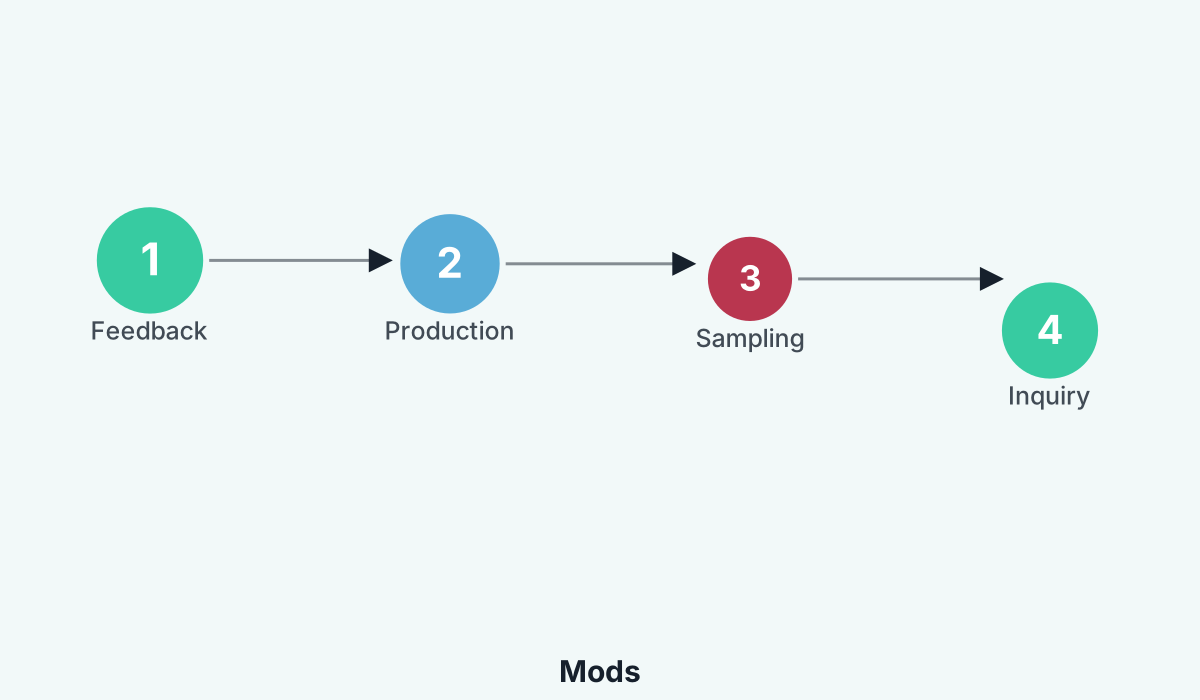
Logistics That Protect Margin
Freight is the hidden half of mods unit economics. A denser master carton can save more per unit than a hard negotiation on factory price, because the saving repeats on every reorder rather than once.
Trends Worth Watching
Expect mods packaging requirements to keep tightening. Designs that leave room for additional labelling age better than tight layouts that need a full reprint to comply.
Turning Mods Into Repeats
Bundle mods with a complementary item rather than discounting it outright. The perceived value holds up better and the second item often becomes a repeat purchase on its own.
How Mods Batches Are Checked
The cheapest quality control step is a retained sample. Keeping three sealed units from every mods batch costs almost nothing and turns any dispute into a simple comparison instead of an argument over photographs.
- Start with a mixed carton and let your own sell-through decide.
- Keep sealed retained samples from every production batch.
- Ask how the factory measures puff count, then compare like with like.
- Confirm the current customs classification with your own broker.
- Plan the switch from air to sea freight before you need it.
How Mods Fits the Assortment
Before anything else, decide which customer you are buying mods for. A convenience counter with limited shelf depth needs a tight range that turns quickly, while a specialist shop can carry a deeper ladder of options and educate buyers into higher ticket lines.
Practical Checklist
- Rotate stock by batch code rather than by delivery date.
- Model landed cost, not ex-works price, when comparing quotes.
- Agree the tolerance band in writing before approving artwork.
- Write the complaint threshold into the order terms.
- Ask how the factory measures puff count, then compare like with like.
- Keep sealed retained samples from every production batch.
Frequently Asked Questions
What if I only need a small first order?
That is normal and sensible. A mixed carton lets you test mods in your own market before committing to a production run, and the specification you approve at that stage carries through to larger orders unchanged.
What is the usual minimum order for mods?
For a standard production run the minimum is normally one master carton per flavour, though mixed cartons can be arranged for a first order. If you are testing the line, ask about a sample pack first and treat the freight as part of your research budget.
Is there support for in-store material?
Yes. Shelf talkers, counter cards and simple planogram suggestions are available for mods ranges that reach a sensible volume. Most retailers find the plain strength and flavour cards do the most work.
Can I visit the production facility?
Yes, and we encourage it for larger programmes. Visits are most useful when you already have a draft specification, because you can then check the specific processes behind the numbers you care about.
Can I mix strengths in one order?
In most cases yes, as long as each strength meets the minimum run length. Mixed strength cartons are popular with retailers building their first display because they show the full ladder without over committing.
Next Step
If you take one thing from this page, take the retained sample habit. It costs a few units per batch and it is the difference between a disagreement and a decision.
Related Reading
- Mods Planogram Basics for Wall Displays — Tight Margin Categories
- How to Brief a Factory on Mods — Duty and Tax Worked Out
- Mods Transport Vibration and Pack Protection — Before Your Next Order
- Mods Sell Through Tracking Without Expensive Tools — Cross-Border Trade
- Mods Sampling Programme: How to Evaluate Before You Commit — 2026 Edition
- Mods Compliance Basics for Importers — Convenience Retail