 VapeWholesaleHub
Mods Forecasting Without Historical Data — First-Time Importers
We ship mods to distributors in very different markets, and the same five questions come up almost every week. Rather than answer them in email each time, we have written them out properly here.
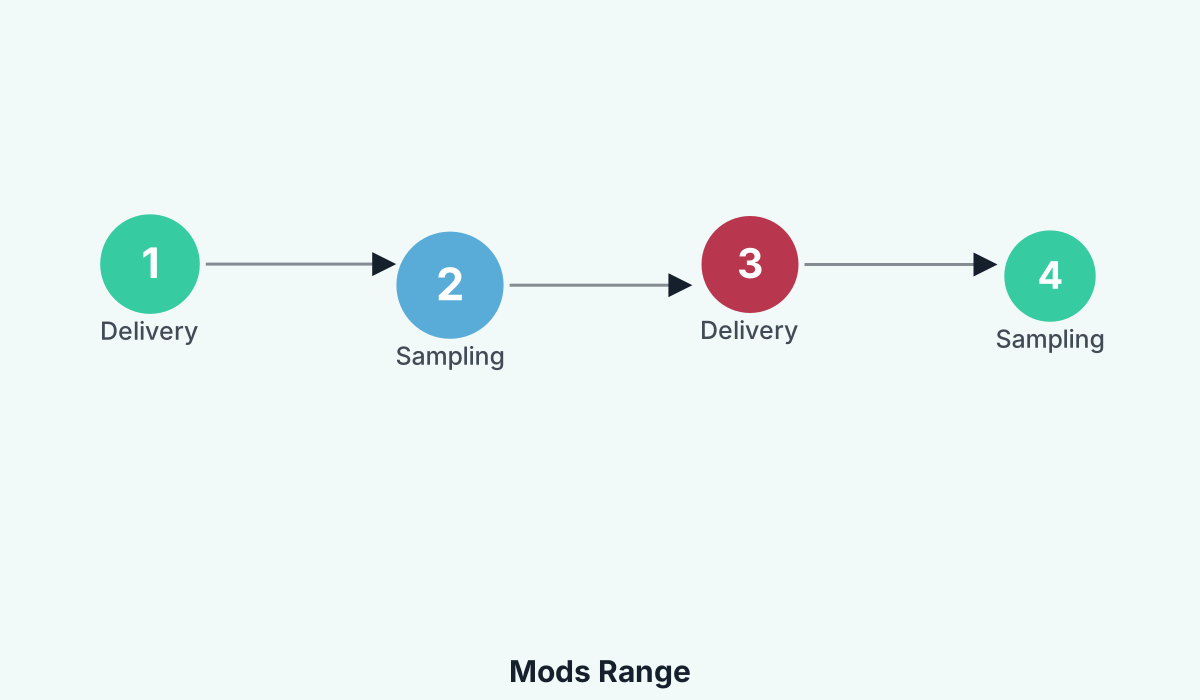
How Mods Batches Are Checked
AQL sampling gets a lot of attention, but for mods the more useful habit is simply measuring the same three things on every single batch. Trend lines catch problems that pass/fail checks miss.
The cheapest quality control step is a retained sample. Keeping three sealed units from every mods batch costs almost nothing and turns any dispute into a simple comparison instead of an argument over photographs.
- Write the complaint threshold into the order terms.
- Agree the tolerance band in writing before approving artwork.
- Start with a mixed carton and let your own sell-through decide.
- Model landed cost, not ex-works price, when comparing quotes.
- Check carton dimensions against your freight quote before confirming.
What Mods Really Costs Landed
Build mods price tiers around order sizes your customers actually place. Tiers that only make sense on a spreadsheet get ignored, and you end up discounting ad hoc instead.
Compare mods quotes on the same incoterm. A price that looks better because it excludes a cost you assumed was included is not a saving at all.
Indicative reference points for planning purposes: entry tier from USD 2.26 per unit at 500 units, mid tier at USD 1.02, and volume tier at USD 1.25 for full container quantities. These figures move with specification, packaging and freight, so treat them as a shape rather than a quote.
Getting Mods to Your Warehouse
Ask your forwarder for the mods transit history on your lane, not the advertised schedule. The gap between the two is the buffer you should build into your reorder point.
The Specification That Matters
Ask any factory for the same mods sample twice, three months apart. If the second sample drifts, the production line is running without statistical control and your reviews will drift with it. Consistency over time is a more useful signal than a single good sample.
| Product category | Accessory |
|---|---|
| Resistance band | 0.6 - 0.8 ohm |
| Capacity tolerance | +/- 5% |
| Puff count method | Machine cycle 3s on / 27s off |
| Master carton | 300 units |
| Carton weight | 7.8 kg |
| Shelf life | 12 months |
| Storage | 15-25 C, dry, away from direct light |
Where Mods Sits in the Range
Range decisions for mods should start from shelf space, not from a supplier catalogue. Count the facings you actually have, then decide how many of them this line deserves against what it currently earns.
Practical Checklist
- Rotate stock by batch code rather than by delivery date.
- Confirm the current customs classification with your own broker.
- Agree the tolerance band in writing before approving artwork.
- Write the complaint threshold into the order terms.
- Check carton dimensions against your freight quote before confirming.
- Keep sealed retained samples from every production batch.
Frequently Asked Questions
Do you provide compliance documents?
Every shipment leaves with the documentation set relevant to your market, including batch records and test reports where required. Your local rules still determine what you must file, so confirm those with your broker before import.
What information do you need to quote?
Target specification, approximate quantity, destination and any packaging requirement. With those four we can usually come back with a costed option the same working day rather than a request for more information.
Can you match an existing product I already sell?
Often yes, provided we can measure it properly. Send a physical sample and we will report back on what can be matched, what will differ slightly, and why. An honest gap is more useful than a vague promise.
Can I visit the production facility?
Yes, and we encourage it for larger programmes. Visits are most useful when you already have a draft specification, because you can then check the specific processes behind the numbers you care about.
How long does a mods order take to arrive?
Production typically takes ten to eighteen working days after artwork approval, and transit depends on the method you choose. Air express is fastest, sea freight is cheapest at volume. We confirm both at quotation so there is no surprise later.
Next Step
If you take one thing from this page, take the retained sample habit. It costs a few units per batch and it is the difference between a disagreement and a decision.
Related Reading
- Mods Last Mile Delivery for Local Retailers — a Printable Checklist
- Mods Tolerance Bands That Hold Up in Production — Latin America
- Mods Carton Engineering and Freight Density — Duty and Tax Worked Out
- Reading a Mods Quotation Line by Line — Entry-Level Price Points
- Mods Auditing Your Own Supply Chain — Highly Regulated Markets
- How Mods Performs in Different Climate Conditions — EU Markets