 VapeWholesaleHub
Mods Inventory Turnover Benchmarks for Stores — Highly Regulated Markets
A good mods programme is boring in the best sense: same taste, same draw, same carton count, every single time. Getting there requires a shared vocabulary between you and the factory. Consider this page that vocabulary.
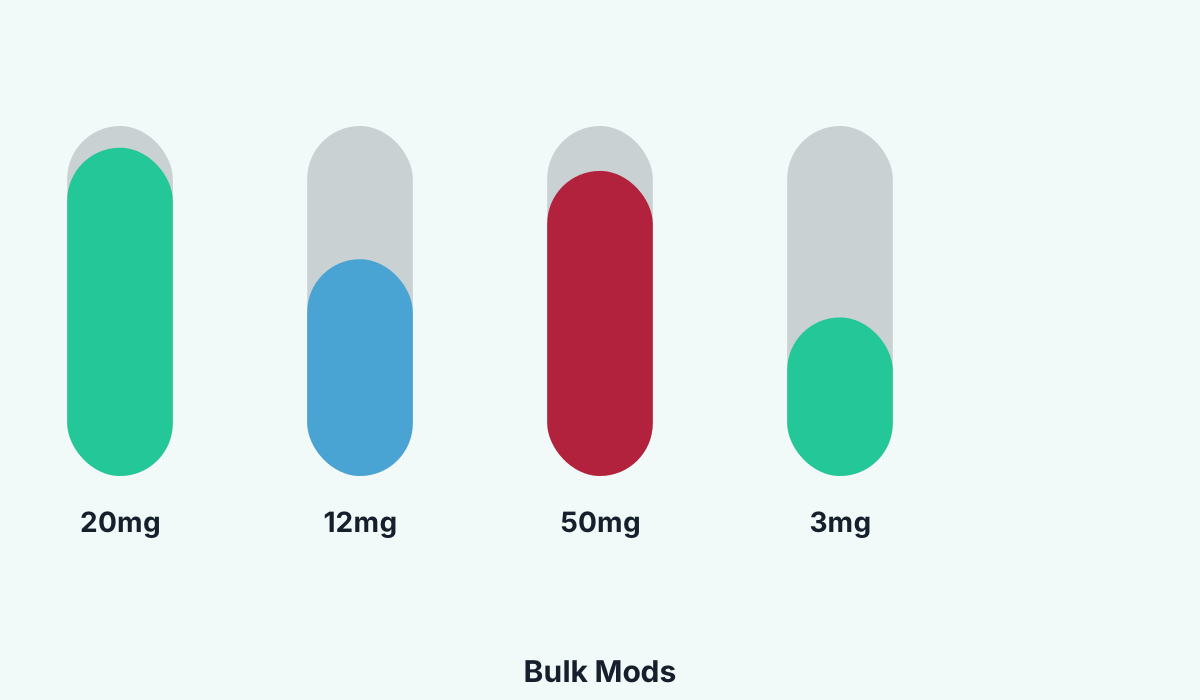
How Mods Batches Are Checked
The defect rate that matters is the one your customer experiences, not the one the factory reports. Bridge that gap by inspecting the way a customer would open the box, not the way a line worker packs it.
AQL sampling gets a lot of attention, but for mods the more useful habit is simply measuring the same three things on every single batch. Trend lines catch problems that pass/fail checks miss.
- Agree the tolerance band in writing before approving artwork.
- Rotate stock by batch code rather than by delivery date.
- Ask how the factory measures puff count, then compare like with like.
- Plan the switch from air to sea freight before you need it.
- Check carton dimensions against your freight quote before confirming.
Modelling a Healthy Margin
When you model mods pricing, build in a realistic shrink figure. Even a well run line loses a small percentage to damage, expiry and sampling. Pretending that number is zero is how a healthy looking margin turns negative.
Discounting mods to win shelf space tends to reset customer expectations permanently. Volume support in kind, such as display material, usually costs less in the long run.
Indicative reference points for planning purposes: entry tier from USD 2.11 per unit at 2000 units, mid tier at USD 1.35, and volume tier at USD 1.32 for full container quantities. These figures move with specification, packaging and freight, so treat them as a shape rather than a quote.
Getting Mods to Your Warehouse
Ask your forwarder for the mods transit history on your lane, not the advertised schedule. The gap between the two is the buffer you should build into your reorder point.

What to Fix Before Approving Mods
Where possible, tie part of the mods payment to inspection against the written spec. It focuses attention on the numbers rather than on the relationship.
| Product category | Disposable |
|---|---|
| Resistance band | 1.2 - 1.4 ohm |
| Capacity tolerance | +/- 5% |
| Puff count method | Machine cycle 3s on / 27s off |
| Master carton | 120 units |
| Carton weight | 5.8 kg |
| Shelf life | 18 months |
| Storage | 15-25 C, dry, away from direct light |
Trends Worth Watching
Expect mods packaging requirements to keep tightening. Designs that leave room for additional labelling age better than tight layouts that need a full reprint to comply.
One visible change in mods is the move towards clearer labelling and traceability. Retailers who adopted batch coding early are finding it much easier to work with larger distributors now.
Practical Checklist
- Ask how the factory measures puff count, then compare like with like.
- Keep sealed retained samples from every production batch.
- Agree the tolerance band in writing before approving artwork.
- Plan the switch from air to sea freight before you need it.
- Rotate stock by batch code rather than by delivery date.
- Start with a mixed carton and let your own sell-through decide.
Frequently Asked Questions
Can I mix strengths in one order?
In most cases yes, as long as each strength meets the minimum run length. Mixed strength cartons are popular with retailers building their first display because they show the full ladder without over committing.
Do you hold stock for regular customers?
For established programmes we can reserve production slots and, in some cases, hold finished mods stock against a forecast. It removes most of the lead time risk from a reorder and is worth discussing once volumes are stable.
Can I visit the production facility?
Yes, and we encourage it for larger programmes. Visits are most useful when you already have a draft specification, because you can then check the specific processes behind the numbers you care about.
What if a batch does not match the sample?
Keep the retained samples from the approval stage. If a delivered batch measurably differs, we compare against the retained set and resolve it against the production record. This is why we insist on sealed retained units from every run.
What happens if my market changes its rules?
Regulations move, and packaging or documentation sometimes has to follow. We keep approved artwork files on hand so that a required change is a reprint rather than a redesign, which keeps the cost and delay down.
Next Step
If you take one thing from this page, take the retained sample habit. It costs a few units per batch and it is the difference between a disagreement and a decision.
Related Reading
- Mods Market Entry Checklist for New Territories — Duty and Tax Worked Out
- Mods Market Entry Checklist for New Territories — Southeast Asia
- Mods Electronic Data Interchange for Large Accounts — North America
- Mods Shelf Life, Batch Codes and Traceability — Oceania
- Mods Currency and Payment Risk Basics — UK and Ireland
- Mods Returns Data and What It Is Telling You — Warehouse Teams