 VapeWholesaleHub
Mods Sample Approval Meeting Agenda — Premium Shelf Programmes
Buying mods wholesale is a logistics problem disguised as a product problem. The unit is small, the margin depends on freight density, and the failure mode shows up weeks after delivery. The notes below come from real orders we have shipped.
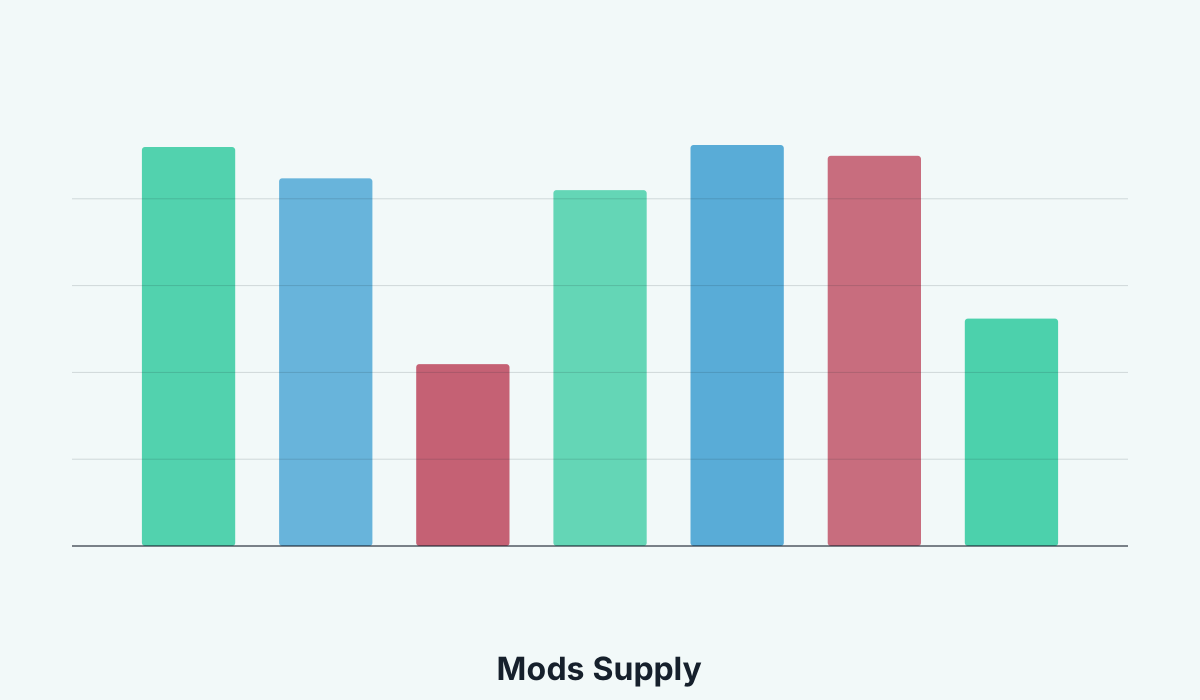
What Mods Really Costs Landed
Margin on mods is rarely lost at the till. It is lost through dead stock, returns and emergency air freight. A slightly higher landed cost with predictable lead time usually beats the cheapest quote on the spreadsheet.
Indicative reference points for planning purposes: entry tier from USD 1.44 per unit at 1000 units, mid tier at USD 1.17, and volume tier at USD 1.03 for full container quantities. These figures move with specification, packaging and freight, so treat them as a shape rather than a quote.
Getting Mods to Your Warehouse
Consolidating mods with other lines is often the biggest single saving available to a mid size importer. The unit cost does not change but the landed cost does, sometimes materially.
Reading a Mods Spec Sheet
Ask any factory for the same mods sample twice, three months apart. If the second sample drifts, the production line is running without statistical control and your reviews will drift with it. Consistency over time is a more useful signal than a single good sample.
| Product category | Refillable kit |
|---|---|
| Resistance band | 1.2 - 1.4 ohm |
| Capacity tolerance | +/- 3% |
| Puff count method | Machine cycle 2s on / 18s off |
| Master carton | 100 units |
| Carton weight | 6.4 kg |
| Shelf life | 12 months |
| Storage | 15-25 C, dry, away from direct light |
Market Signals
Traceability is moving from a nice-to-have to a requirement in several mods markets. Building the habit now is cheaper than retrofitting record keeping under pressure later.
Positioning Mods on Your Shelf
A tight mods range with deep availability usually outsells a wide range with thin stock. Customers who find their line in stock come back; customers who are told to wait do not.
Practical Checklist
- Check carton dimensions against your freight quote before confirming.
- Model landed cost, not ex-works price, when comparing quotes.
- Write the complaint threshold into the order terms.
- Rotate stock by batch code rather than by delivery date.
- Confirm the current customs classification with your own broker.
- Agree the tolerance band in writing before approving artwork.
Frequently Asked Questions
What happens if my market changes its rules?
Regulations move, and packaging or documentation sometimes has to follow. We keep approved artwork files on hand so that a required change is a reprint rather than a redesign, which keeps the cost and delay down.
What if a batch does not match the sample?
Keep the retained samples from the approval stage. If a delivered batch measurably differs, we compare against the retained set and resolve it against the production record. This is why we insist on sealed retained units from every run.
How long does a mods order take to arrive?
Production typically takes ten to eighteen working days after artwork approval, and transit depends on the method you choose. Air express is fastest, sea freight is cheapest at volume. We confirm both at quotation so there is no surprise later.
How are price changes handled on repeat orders?
{K} pricing is reviewed against input costs and volume rather than adjusted casually. Any change is confirmed in writing before the next order is scheduled, with the reason stated so you can judge it yourself.
Next Step
We would rather quote you accurately and lose the order than quote optimistically and lose the relationship. Ask us the awkward questions early.
Related Reading
- Mods Distributor Onboarding Steps — Low Minimum Quantities
- Mods When to Add a Second Factory — Regional Distributors
- Mods Future Outlook: Trends Worth Watching — 2026 Buyer Notes
- Mods Child Resistant Closure Considerations — a Factory Floor View
- Mods Safety Stock Levels for Import Programmes — Latin America
- Mods Benchmarking Two Factories Side by Side — Three Price Tiers