 VapeWholesaleHub
Mods Tooling and Moulding Cost Structures — Real Numbers Only
Retailers rarely lose money on mods because of price. They lose money because the first container was bought on a photograph. This page walks through what actually matters when you source mods at scale, written from the buying desk rather than the marketing department.
Pricing and Margin
Hold a small mods buffer in your pricing model for currency movement. A few percent on a container is a real number, and it is easier to plan for than to absorb.
When you model mods pricing, build in a realistic shrink figure. Even a well run line loses a small percentage to damage, expiry and sampling. Pretending that number is zero is how a healthy looking margin turns negative.
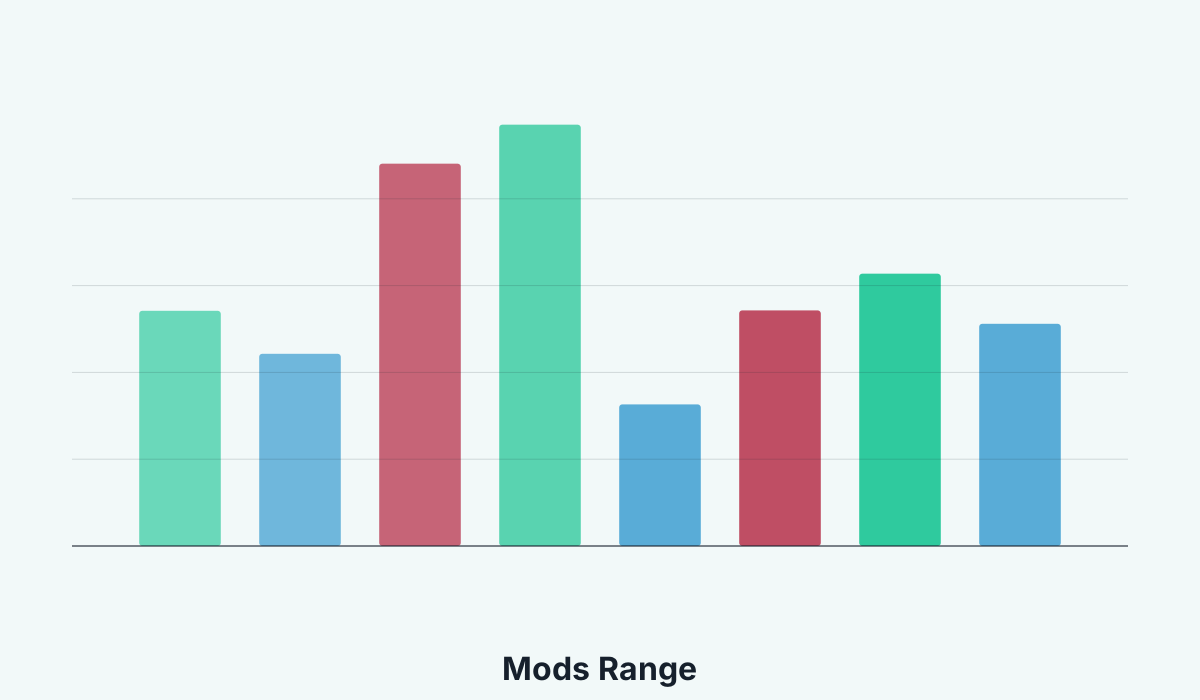
Indicative reference points for planning purposes: entry tier from USD 1.45 per unit at 1000 units, mid tier at USD 1.18, and volume tier at USD 1.44 for full container quantities. These figures move with specification, packaging and freight, so treat them as a shape rather than a quote.
Merchandising and Listing Tips
Put mods where the decision is made, not where the margin is highest. In most stores that means near the counter or at eye level in the category, rather than wherever there is spare space.
A mods display that answers strength and flavour without staff involvement outsells a prettier one that does not. Most customers will not ask, so the fixture has to do the work.
Logistics That Protect Margin
Freight is the hidden half of mods unit economics. A denser master carton can save more per unit than a hard negotiation on factory price, because the saving repeats on every reorder rather than once.
Inspection Before Dispatch
Keep a photo record of every mods approval sample. Written descriptions age badly; a dated photograph next to a delivered unit settles most arguments in seconds.
- Plan the switch from air to sea freight before you need it.
- Start with a mixed carton and let your own sell-through decide.
- Keep sealed retained samples from every production batch.
- Model landed cost, not ex-works price, when comparing quotes.
- Write the complaint threshold into the order terms.
Where Mods Sits in the Range
Before anything else, decide which customer you are buying mods for. A convenience counter with limited shelf depth needs a tight range that turns quickly, while a specialist shop can carry a deeper ladder of options and educate buyers into higher ticket lines.
Mods sits at an interesting point in the assortment. It is familiar enough to be an impulse purchase and specific enough to build a repeat pattern around. Treating it as either pure commodity or pure specialty both lead to poor results.
Practical Checklist
- Confirm the current customs classification with your own broker.
- Write the complaint threshold into the order terms.
- Ask how the factory measures puff count, then compare like with like.
- Plan the switch from air to sea freight before you need it.
- Rotate stock by batch code rather than by delivery date.
- Agree the tolerance band in writing before approving artwork.
Frequently Asked Questions
Can you match an existing product I already sell?
Often yes, provided we can measure it properly. Send a physical sample and we will report back on what can be matched, what will differ slightly, and why. An honest gap is more useful than a vague promise.
Can the packaging be customised?
Yes. Most mods programmes use private label packaging once volumes justify the printing plate. We supply dielines, check your artwork for print issues and hold approved files so reorders need no new setup.
Is there support for in-store material?
Yes. Shelf talkers, counter cards and simple planogram suggestions are available for mods ranges that reach a sensible volume. Most retailers find the plain strength and flavour cards do the most work.
Do you hold stock for regular customers?
For established programmes we can reserve production slots and, in some cases, hold finished mods stock against a forecast. It removes most of the lead time risk from a reorder and is worth discussing once volumes are stable.
What happens if my market changes its rules?
Regulations move, and packaging or documentation sometimes has to follow. We keep approved artwork files on hand so that a required change is a reprint rather than a redesign, which keeps the cost and delay down.
Next Step
We would rather quote you accurately and lose the order than quote optimistically and lose the relationship. Ask us the awkward questions early.
Related Reading
- Mods Age Verification at the Point of Sale — Container-Scale Orders
- Mods Case Study: From First Pallet to Repeat Container — Updated for 2026
- Mods Copy That Answers Buyer Objections — Established Chains
- Mods Freight Forwarder Selection Notes — Plain Language
- Supplier Audit Checklist for Mods Orders — Step by Step
- Warehouse Layout Tips for Mods Distributors — UK and Ireland