 VapeWholesaleHub
Negotiating Mods Contracts With Overseas Factories — Three Price Tiers
Most first time importers of mods ask the same five questions. This page answers them in the order they usually arrive, with the numbers we quote internally rather than round marketing claims.
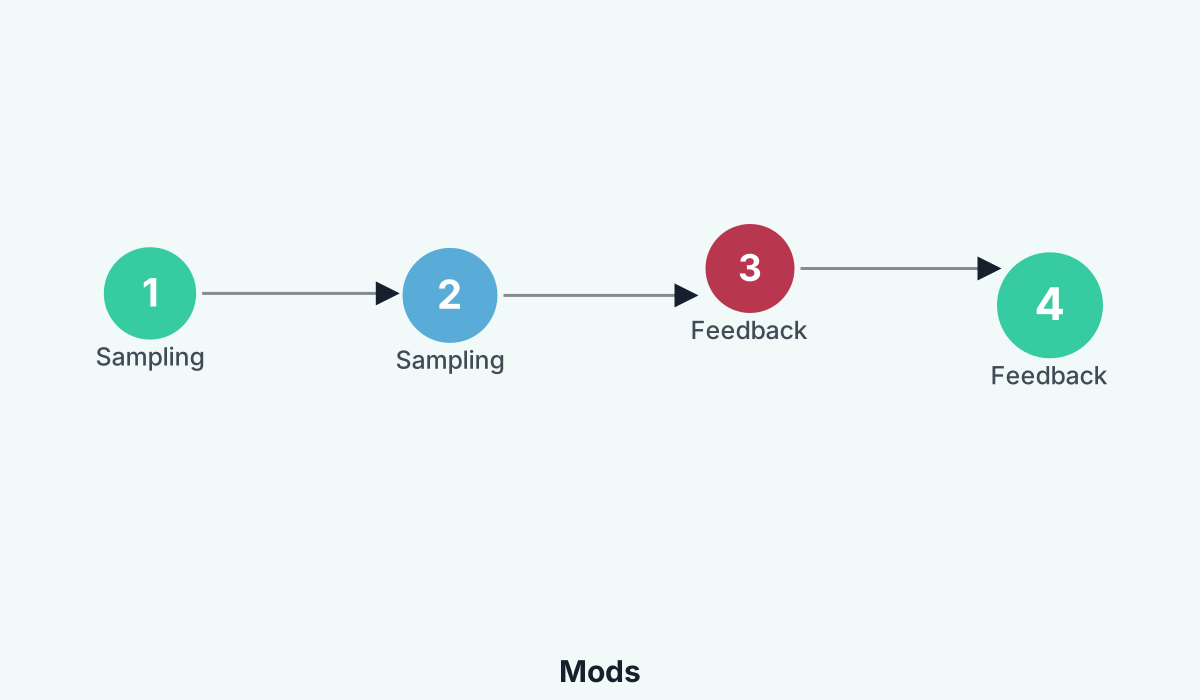
Inspection Before Dispatch
AQL sampling gets a lot of attention, but for mods the more useful habit is simply measuring the same three things on every single batch. Trend lines catch problems that pass/fail checks miss.
Random checks are fine, but weight the sample towards the start and end of a mods production run. Those are where a line is most likely to drift.
- Keep sealed retained samples from every production batch.
- Rotate stock by batch code rather than by delivery date.
- Confirm the current customs classification with your own broker.
- Check carton dimensions against your freight quote before confirming.
- Agree the tolerance band in writing before approving artwork.
Modelling a Healthy Margin
Watch the mods price you pay over a year rather than per order. Factories respond well to visible volume, and a quarterly review is usually worth more than a hard negotiation each time.
The cheapest mods quote is rarely the cheapest outcome. Add freight, defect handling, delay risk and the staff time spent chasing, then compare again. The ranking often changes.
Indicative reference points for planning purposes: entry tier from USD 1.12 per unit at 2000 units, mid tier at USD 1.66, and volume tier at USD 1.21 for full container quantities. These figures move with specification, packaging and freight, so treat them as a shape rather than a quote.
Freight, Customs and Timing
Split mods shipments across two sailings when the order is large enough. It costs slightly more but removes the risk of a single event wiping out a full quarter of stock.
Freight is the hidden half of mods unit economics. A denser master carton can save more per unit than a hard negotiation on factory price, because the saving repeats on every reorder rather than once.
Reading a Mods Spec Sheet
When we write a mods specification with a distributor, we fix four things first: the resistance band, the liquid capacity tolerance, the puff count methodology and the packaging master carton. Everything else can flex without changing the customer experience.
Good mods specs describe the failure boundaries, not just the target. Stating what is unacceptable gives the factory a clear production window instead of a single point they will miss half the time.
| Product category | Refillable kit |
|---|---|
| Resistance band | 0.6 - 0.8 ohm |
| Capacity tolerance | +/- 2% |
| Puff count method | Machine cycle 3s on / 27s off |
| Master carton | 300 units |
| Carton weight | 7.4 kg |
| Shelf life | 12 months |
| Storage | 15-25 C, dry, away from direct light |
Selling Mods at Store Level
Rotate mods facing rather than price for the first month. Visibility changes sell-through more reliably than a small discount, and it does not train customers to wait for offers.
Use your mods staff training time on the two questions customers actually ask. Anything more detailed gets forgotten by the second shift.
Where Mods Sits in the Range
Decide early whether mods is a traffic driver or a margin line in your store. The answer changes how you price it, where you place it and how hard you push it at the counter.
Practical Checklist
- Plan the switch from air to sea freight before you need it.
- Model landed cost, not ex-works price, when comparing quotes.
- Rotate stock by batch code rather than by delivery date.
- Write the complaint threshold into the order terms.
- Start with a mixed carton and let your own sell-through decide.
- Check carton dimensions against your freight quote before confirming.
Frequently Asked Questions
Can the packaging be customised?
Yes. Most mods programmes use private label packaging once volumes justify the printing plate. We supply dielines, check your artwork for print issues and hold approved files so reorders need no new setup.
Is there a warranty on mods?
Manufacturing defects are covered against the retained sample standard. Normal wear, misuse and damage after opening are not. We publish the threshold in the order terms so both sides know exactly what the claim process looks like.
What if I only need a small first order?
That is normal and sensible. A mixed carton lets you test mods in your own market before committing to a production run, and the specification you approve at that stage carries through to larger orders unchanged.
Do you hold stock for regular customers?
For established programmes we can reserve production slots and, in some cases, hold finished mods stock against a forecast. It removes most of the lead time risk from a reorder and is worth discussing once volumes are stable.
Next Step
If you take one thing from this page, take the retained sample habit. It costs a few units per batch and it is the difference between a disagreement and a decision.
Related Reading
- Mods Trade Credit and Account Terms — Multi-Warehouse Networks
- Mods Finish Options and Perceived Quality — Regional Distributors
- Mods Tooling and Moulding Cost Structures — Step by Step
- Mods Mouthpiece Geometry and Comfort — Online Sellers
- Mods Growing From Pallet to Container — Seasonal Demand Peaks
- Private Label Mods: Steps From Idea to Carton — Low Minimum Quantities