 VapeWholesaleHub
Reducing Returns on Mods Through Better Specs — Small Batch Buyers
Retailers rarely lose money on mods because of price. They lose money because the first container was bought on a photograph. This page walks through what actually matters when you source mods at scale, written from the buying desk rather than the marketing department.
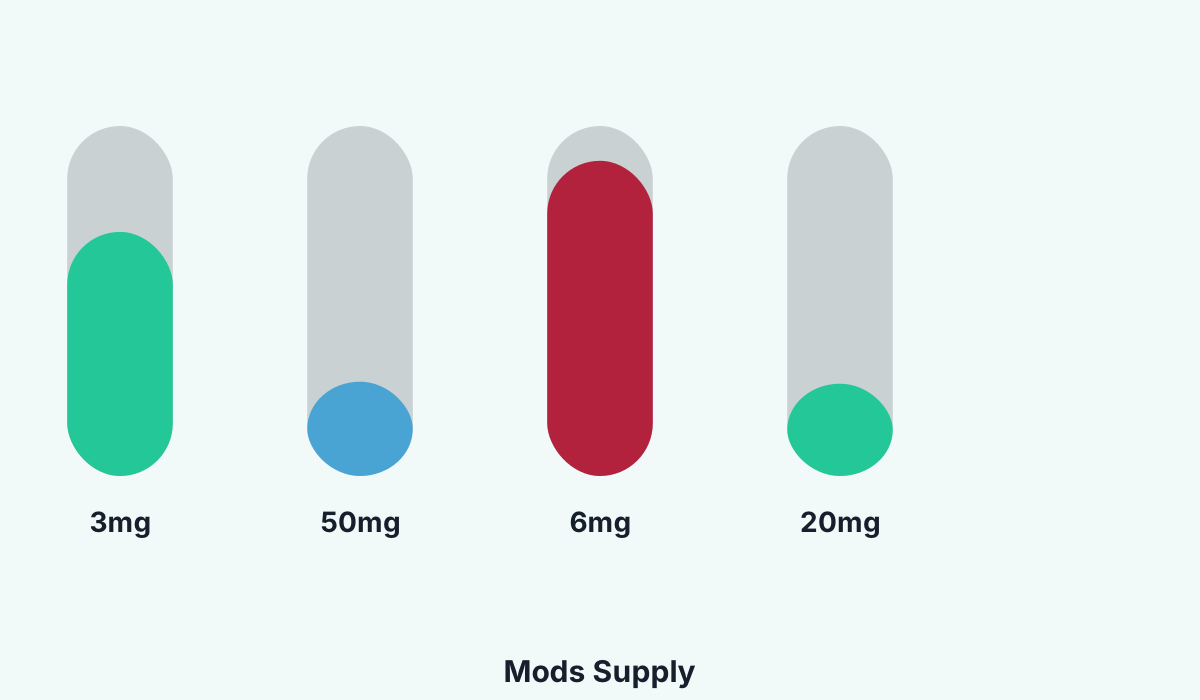
What Mods Really Costs Landed
Compare mods quotes on the same incoterm. A price that looks better because it excludes a cost you assumed was included is not a saving at all.
Indicative reference points for planning purposes: entry tier from USD 1.63 per unit at 1000 units, mid tier at USD 0.99, and volume tier at USD 0.95 for full container quantities. These figures move with specification, packaging and freight, so treat them as a shape rather than a quote.
Selling Mods at Store Level
Bundle mods with a complementary item rather than discounting it outright. The perceived value holds up better and the second item often becomes a repeat purchase on its own.
On shelf, mods sells on clarity. A plain shelf talker that states strength and flavour in two words outperforms a beautifully designed but vague display, because most purchase decisions here take under ten seconds.
Market Signals
The mods category is consolidating around suppliers who can document what they ship. Buyers who built that requirement into their process early are now finding it much easier to scale.
One visible change in mods is the move towards clearer labelling and traceability. Retailers who adopted batch coding early are finding it much easier to work with larger distributors now.
Where Mods Sits in the Range
Mods sits at an interesting point in the assortment. It is familiar enough to be an impulse purchase and specific enough to build a repeat pattern around. Treating it as either pure commodity or pure specialty both lead to poor results.
What to Fix Before Approving Mods
Revisit the mods specification after every third order. Small improvements compound, and factories take a buyer more seriously when the document has clearly been used.
Specification sheets are where a mods deal is won or quietly lost. Two samples can look and taste the same while using different coil wire, different wicking density and different tolerances on the mouthpiece. Those details decide how the unit behaves in week three rather than minute three.
| Product category | Disposable |
|---|---|
| Resistance band | 1.2 - 1.4 ohm |
| Capacity tolerance | +/- 2% |
| Puff count method | Declared by capacity |
| Master carton | 240 units |
| Carton weight | 11.0 kg |
| Shelf life | 12 months |
| Storage | 15-25 C, dry, away from direct light |
Inspection Before Dispatch
Random checks are fine, but weight the sample towards the start and end of a mods production run. Those are where a line is most likely to drift.
The defect rate that matters is the one your customer experiences, not the one the factory reports. Bridge that gap by inspecting the way a customer would open the box, not the way a line worker packs it.
- Rotate stock by batch code rather than by delivery date.
- Model landed cost, not ex-works price, when comparing quotes.
- Plan the switch from air to sea freight before you need it.
- Ask how the factory measures puff count, then compare like with like.
- Check carton dimensions against your freight quote before confirming.

Practical Checklist
- Start with a mixed carton and let your own sell-through decide.
- Keep sealed retained samples from every production batch.
- Check carton dimensions against your freight quote before confirming.
- Ask how the factory measures puff count, then compare like with like.
- Plan the switch from air to sea freight before you need it.
- Confirm the current customs classification with your own broker.
Frequently Asked Questions
What information do you need to quote?
Target specification, approximate quantity, destination and any packaging requirement. With those four we can usually come back with a costed option the same working day rather than a request for more information.
How should mods be stored?
Cool, dry and out of direct sunlight. Heat and light are the two things that shorten shelf life fastest. Rotate stock by batch code rather than by arrival date, and keep cartons off concrete floors in humid warehouses.
What does a sample pack usually include?
A typical mods sample pack covers the strengths or variants you are most likely to list, packed so you can evaluate them side by side. Tell us which lines you are considering and we will match the pack to that rather than sending a generic selection.
How are price changes handled on repeat orders?
{K} pricing is reviewed against input costs and volume rather than adjusted casually. Any change is confirmed in writing before the next order is scheduled, with the reason stated so you can judge it yourself.
What if a batch does not match the sample?
Keep the retained samples from the approval stage. If a delivered batch measurably differs, we compare against the retained set and resolve it against the production record. This is why we insist on sealed retained units from every run.
Next Step
Start smaller than feels comfortable, measure honestly, then scale what worked. That sequence has saved more of our customers money than any negotiation tactic we could suggest.
Related Reading
- Mods Currency and Payment Risk Basics — UK and Ireland
- Mods Vendor Managed Inventory Possibilities — Southeast Asia
- Mods Sample Approval Meeting Agenda — Private Label Programmes
- Mods Clearance Strategies That Protect Margin — Small Batch Buyers
- Mods Slow Moving Stock and Remedial Actions — Before Your Next Order
- Mods Customer Feedback Loops That Improve Reorders — a Factory Floor View