 VapeWholesaleHub
Spotting Defects in Mods Before Shipment — Step by Step
We ship mods to distributors in very different markets, and the same five questions come up almost every week. Rather than answer them in email each time, we have written them out properly here.
Inspection Before Dispatch
The defect rate that matters is the one your customer experiences, not the one the factory reports. Bridge that gap by inspecting the way a customer would open the box, not the way a line worker packs it.
Random checks are fine, but weight the sample towards the start and end of a mods production run. Those are where a line is most likely to drift.
- Check carton dimensions against your freight quote before confirming.
- Plan the switch from air to sea freight before you need it.
- Write the complaint threshold into the order terms.
- Ask how the factory measures puff count, then compare like with like.
- Start with a mixed carton and let your own sell-through decide.
Where Mods Sits in the Range
Decide early whether mods is a traffic driver or a margin line in your store. The answer changes how you price it, where you place it and how hard you push it at the counter.
Before anything else, decide which customer you are buying mods for. A convenience counter with limited shelf depth needs a tight range that turns quickly, while a specialist shop can carry a deeper ladder of options and educate buyers into higher ticket lines.
Reading a Mods Spec Sheet
Good mods specs describe the failure boundaries, not just the target. Stating what is unacceptable gives the factory a clear production window instead of a single point they will miss half the time.
| Product category | Pod system |
|---|---|
| Resistance band | 1.2 - 1.4 ohm |
| Capacity tolerance | +/- 2% |
| Puff count method | Declared by capacity |
| Master carton | 100 units |
| Carton weight | 8.5 kg |
| Shelf life | 12 months |
| Storage | 15-25 C, dry, away from direct light |
Turning Mods Into Repeats
Staff knowledge moves mods more than any fixture. A two minute explanation of the difference between this line and the one next to it converts a browsing shopper into a repeat buyer far more reliably than a discount.
Logistics That Protect Margin
Ask your forwarder for the mods transit history on your lane, not the advertised schedule. The gap between the two is the buffer you should build into your reorder point.
Air freight makes sense for a first mods order when you need to test demand quickly, but almost every steady programme moves to sea freight once volumes stabilise. Planning that switch early avoids a painful margin squeeze later.
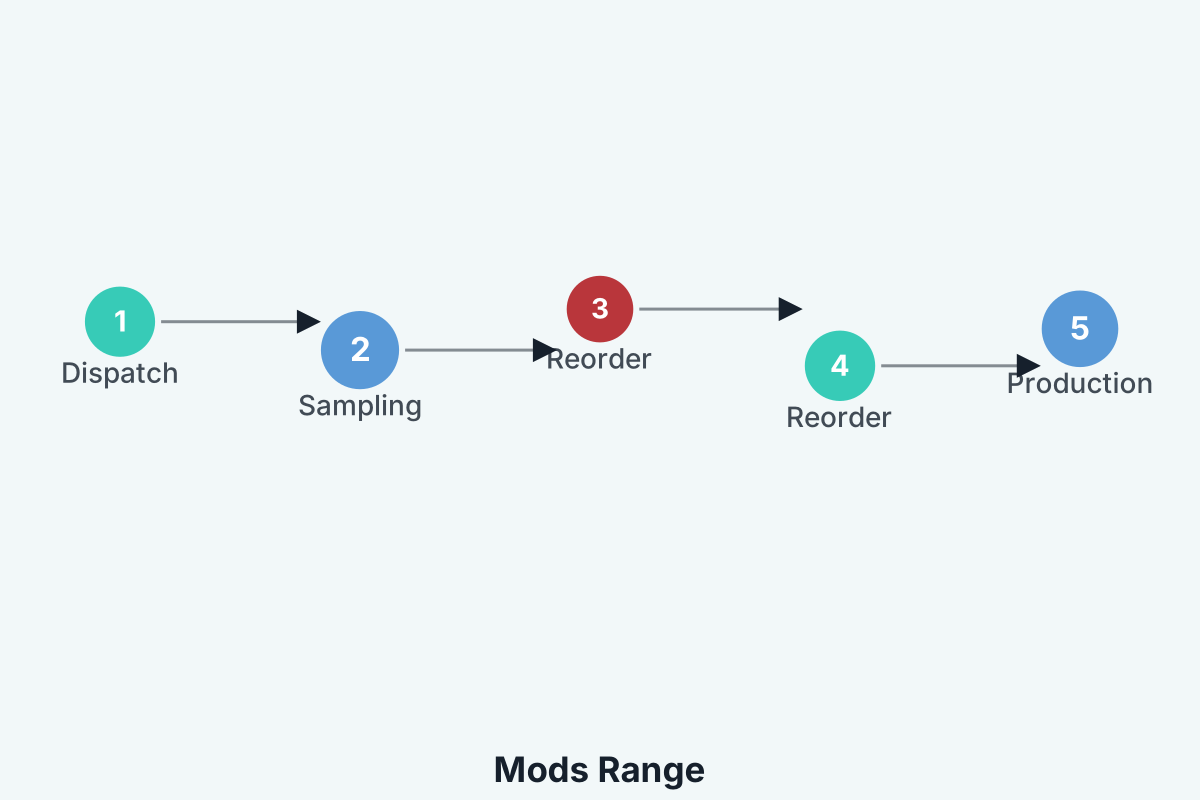
Practical Checklist
- Agree the tolerance band in writing before approving artwork.
- Keep sealed retained samples from every production batch.
- Rotate stock by batch code rather than by delivery date.
- Confirm the current customs classification with your own broker.
- Ask how the factory measures puff count, then compare like with like.
- Plan the switch from air to sea freight before you need it.
Frequently Asked Questions
Can I visit the production facility?
Yes, and we encourage it for larger programmes. Visits are most useful when you already have a draft specification, because you can then check the specific processes behind the numbers you care about.
What happens if my market changes its rules?
Regulations move, and packaging or documentation sometimes has to follow. We keep approved artwork files on hand so that a required change is a reprint rather than a redesign, which keeps the cost and delay down.
What if I only need a small first order?
That is normal and sensible. A mixed carton lets you test mods in your own market before committing to a production run, and the specification you approve at that stage carries through to larger orders unchanged.
What if a batch does not match the sample?
Keep the retained samples from the approval stage. If a delivered batch measurably differs, we compare against the retained set and resolve it against the production record. This is why we insist on sealed retained units from every run.
Do you hold stock for regular customers?
For established programmes we can reserve production slots and, in some cases, hold finished mods stock against a forecast. It removes most of the lead time risk from a reorder and is worth discussing once volumes are stable.
Next Step
Send us your current mods specification even if you are not planning to move suppliers. A second read of a document you use every month is usually worth the ten minutes.
Related Reading
- How to Choose Mods Without Overpaying — Specialist Vape Shops
- Mods Loyalty Effects in Repeat Categories — Premium Shelf Programmes
- Mods Specification Change Control — Convenience Retail
- Mods Sampling Programme: How to Evaluate Before You Commit — Wholesale Clubs
- Mods Lead Time Buffers That Actually Work — North America
- How to Brief a Factory on Mods — Established Chains