 VapeWholesaleHub
Supplier Audit Checklist for Mods Orders — Private Label Programmes
A mods programme fails in predictable ways: a specification nobody wrote down, a sample nobody retained, and a lead time nobody stress tested. Here is how to close those three gaps before they cost you a container.
Selling Mods at Store Level
Keep the mods range tidy. A half empty shelf reads as a dying line, and customers interpret it that way faster than any signage can correct.
Staff knowledge moves mods more than any fixture. A two minute explanation of the difference between this line and the one next to it converts a browsing shopper into a repeat buyer far more reliably than a discount.
How Mods Batches Are Checked
Most defects in mods are not dramatic. They are loose tolerances, a slightly thin seal, a mouthpiece that clicks. Left alone they turn into leak complaints, which are the single most common reason a retailer drops a line.
- Rotate stock by batch code rather than by delivery date.
- Plan the switch from air to sea freight before you need it.
- Agree the tolerance band in writing before approving artwork.
- Write the complaint threshold into the order terms.
- Keep sealed retained samples from every production batch.
Where Demand Is Heading
One visible change in mods is the move towards clearer labelling and traceability. Retailers who adopted batch coding early are finding it much easier to work with larger distributors now.
Flavour cycles in mods are shortening, which argues for smaller test orders and faster feedback loops rather than large speculative buys on a predicted winner.
Pricing and Margin
Build mods price tiers around order sizes your customers actually place. Tiers that only make sense on a spreadsheet get ignored, and you end up discounting ad hoc instead.
Indicative reference points for planning purposes: entry tier from USD 1.02 per unit at 1000 units, mid tier at USD 1.35, and volume tier at USD 0.87 for full container quantities. These figures move with specification, packaging and freight, so treat them as a shape rather than a quote.
Logistics That Protect Margin
Split mods shipments across two sailings when the order is large enough. It costs slightly more but removes the risk of a single event wiping out a full quarter of stock.
Practical Checklist
- Confirm the current customs classification with your own broker.
- Write the complaint threshold into the order terms.
- Keep sealed retained samples from every production batch.
- Check carton dimensions against your freight quote before confirming.
- Plan the switch from air to sea freight before you need it.
- Start with a mixed carton and let your own sell-through decide.
Frequently Asked Questions
Can the packaging be customised?
Yes. Most mods programmes use private label packaging once volumes justify the printing plate. We supply dielines, check your artwork for print issues and hold approved files so reorders need no new setup.
Can you match an existing product I already sell?
Often yes, provided we can measure it properly. Send a physical sample and we will report back on what can be matched, what will differ slightly, and why. An honest gap is more useful than a vague promise.
How long does a mods order take to arrive?
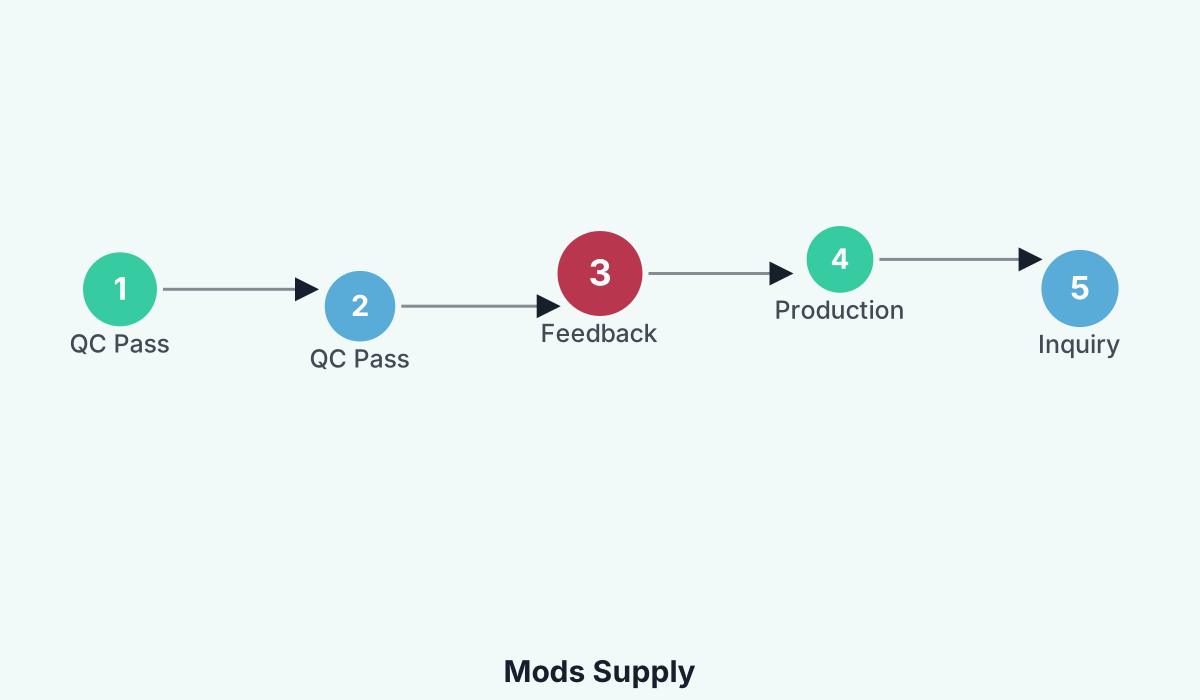
Production typically takes ten to eighteen working days after artwork approval, and transit depends on the method you choose. Air express is fastest, sea freight is cheapest at volume. We confirm both at quotation so there is no surprise later.
How should mods be stored?
Cool, dry and out of direct sunlight. Heat and light are the two things that shorten shelf life fastest. Rotate stock by batch code rather than by arrival date, and keep cartons off concrete floors in humid warehouses.
Next Step
If you take one thing from this page, take the retained sample habit. It costs a few units per batch and it is the difference between a disagreement and a decision.
Related Reading
- Mods Storage Life Extension Through Better Handling — 2026 Buyer Notes
- How to Choose Mods Without Overpaying — Warehouse Teams
- Mods Copy That Answers Buyer Objections — Convenience Retail
- Mods Customer Feedback Loops That Improve Reorders — Busy Buyers
- Mods Airflow Design and Customer Perception — Private Label Programmes
- Mods Warranty and After Sales: Setting Expectations — Private Label Programmes